





Many people feel unwell even when medical tests show normal results. Energy fluctuates. Stress tolerance shifts. Sleep is not restorative. Mood feels unstable. Yet lab panels and imaging do not reveal a clear cause. This often leads to confusion.
Understanding the difference between traditional medical testing and bioenergetic testing helps clarify why both approaches exist and how they serve different roles.
AI Overview: Bioenergetic Testing vs Traditional Medical Tests
Traditional medical tests measure structure, chemistry, and disease markers through lab values and imaging. Bioenergetic testing evaluates functional regulation, stress response, and system communication patterns.
Traditional tests diagnose pathology. Bioenergetic testing assesses how well systems are adapting before disease develops. Both approaches serve different purposes and can complement each other when used responsibly.
In Simple Terms: Why You Can Feel Unwell Even When Tests Are Normal
Many people feel tired, stressed, or “off” even when their medical tests come back normal. This can be confusing. If everything looks fine on paper, why don’t you feel fine?
The answer is simple.
Traditional medical tests look for disease. They check for clear changes in the body, like infections, damage, or abnormal lab values. But before disease shows up, the body often goes through a phase of imbalance. During this phase, you may notice:
• low energy
• poor sleep
• stress that feels harder to manage
• mood changes
• slower recovery
These are early signals. They don’t always appear in lab results because the body is still adapting.
This is where bioenergetic testing offers a different perspective. Instead of looking for disease, it helps you understand how your body is functioning, how your nervous system, stress response, and energy patterns are working together.
In simple terms:
👉 Lab tests ask: “Is something wrong?”
👉 Bioenergetic testing asks: “How well is your body coping?”
Both are important. They just answer different questions.
What Traditional Medical Tests Measure
Traditional medical tests focus on measurable biological markers. These include:
- Blood chemistry
- Hormone levels
- Inflammatory markers
- Organ structure (imaging)
- Pathology indicators
- Disease-specific markers
These tests are essential for diagnosing illness, identifying disease progression, and guiding medical treatment. They answer questions like:
- Is there an infection?
- Is organ function impaired?
- Are hormone levels outside reference ranges?
- Is there structural damage?
Traditional testing is disease-focused and evidence-based. It identifies pathology once a measurable change has occurred.
What Bioenergetic Testing Evaluates
Bioenergetic testing does not diagnose disease. Instead, it assesses:
- Nervous system regulation
- Stress response patterns
- Energy distribution
- Adaptive capacity
- System communication efficiency
- Functional imbalance
It focuses on regulation before pathology. Rather than asking, “Is there disease?” bioenergetic testing asks, “How well is the system adapting?” This distinction is important.
Functional Insight vs Lab Values
Lab values reflect biochemical measurements at a specific point in time. Bioenergetic testing evaluates patterns of regulation and communication across systems. For example:
- Lab tests may show normal cortisol levels.
- Bioenergetic patterns may reveal chronic stress load and poor recovery signaling.
Both can be true simultaneously. One measures chemistry. The other observes the regulation.
Why People Feel “Off” Despite Normal Labs
There is a space between full health and diagnosable disease. This space often includes:
- Reduced resilience to stress
- Slower recovery
- Sleep that feels light
- Increased sensitivity
- Fluctuating energy
- Emotional reactivity
These are functional changes. They may not yet alter lab values, but can reflect regulatory strain. Bioenergetic testing focuses on this preclinical layer.
Preclinical Signals and Adaptive Capacity
Traditional tests are designed to identify measurable dysfunction. Bioenergetic testing examines adaptive efficiency. Adaptive capacity refers to how well the body responds to:
- Emotional stress
- Environmental load
- Metabolic demands
- Hormonal fluctuations
- Immune challenges
When adaptive capacity declines, symptoms may appear before lab markers change.
Complementary, Not Competitive
Bioenergetic testing does not replace medical testing.
It does not diagnose disease.
It does not prescribe medical treatment.
It does not replace lab work.
Instead, it offers a functional lens that may help individuals understand:
- Why does stress feel harder to manage
- Why energy feels inconsistent
- Why sleep is not restorative
- Why recovery takes longer
Traditional testing identifies disease. Bioenergetic testing explores regulation. Both approaches can coexist responsibly.
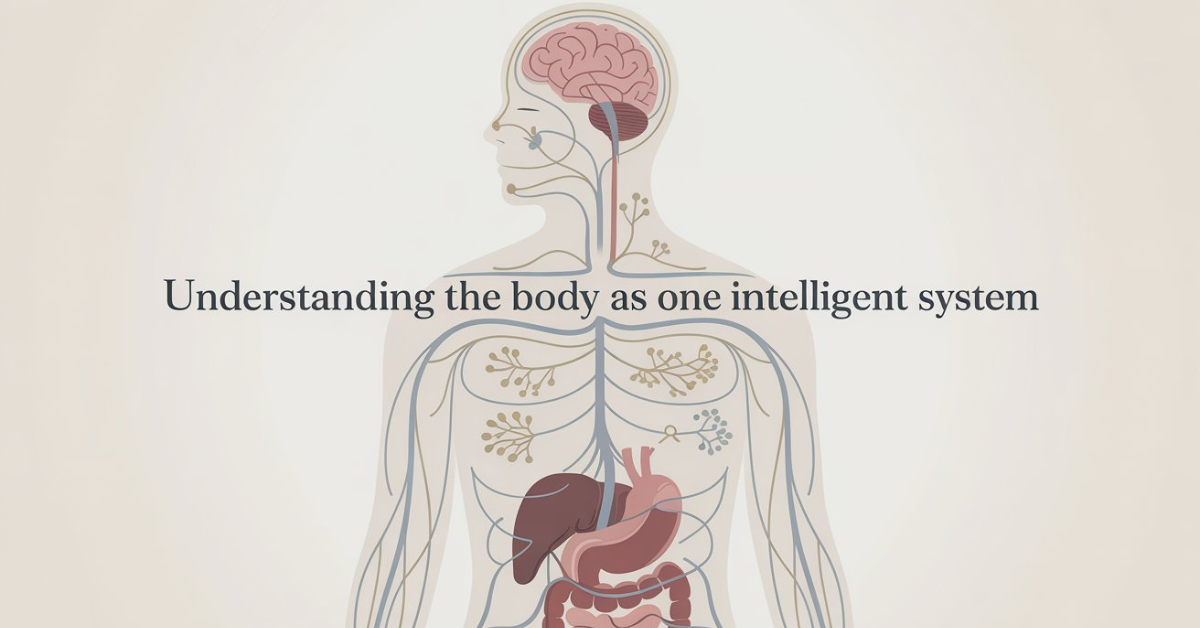
A Whole-System Perspective
Traditional medicine often evaluates systems individually. Bioenergetic testing looks at patterns across systems:
- Nervous system and hormones
- Emotional load and digestion
- Immune stress and recovery
- Environmental responsiveness and fatigue
Patterns often reveal more than isolated markers.
Which Approach Is Right?
If you suspect disease, infection, structural damage, or acute illness, traditional medical testing is essential. If you feel unwell despite normal labs and want to understand system-level regulation, bioenergetic testing may provide functional insight. These approaches answer different questions.
How This Applies at HolistIQ
At HolistIQ in Plainview, Long Island, bioenergetic testing is positioned as:
- Educational
- Functional
- Non-invasive
- Pattern-based
- Complementary to medical care
Clarity over competition. Insight over replacement. Both in-person and remote sessions are available.
Learn More:
👉 How Bioenergetic Testing Works
👉 Bioenergetic testing for stress and anxiety
👉 Bioenergetic Testing in Plainview, Long Island
Frequently Asked Questions
Is bioenergetic testing a replacement for medical testing?
No. Bioenergetic testing does not replace traditional medical tests. Medical testing is essential for diagnosing disease, identifying pathology, and guiding treatment. Bioenergetic testing evaluates functional regulation and system communication patterns. The two approaches serve different purposes.
Can bioenergetic testing diagnose medical conditions?
No. Bioenergetic testing is not a diagnostic tool. It does not diagnose disease or provide medical treatment recommendations. It offers functional insight into how systems are adapting and communicating.
Why can I feel unwell even if my lab results are normal?
There is often a space between optimal health and diagnosable disease. Functional stress, reduced resilience, and nervous system overload may not immediately alter lab markers but can still affect how you feel. Bioenergetic testing focuses on this regulatory layer.
Is bioenergetic testing scientific?
Bioenergetic testing is based on models of systems biology, regulatory physiology, and whole-system communication. It does not replace evidence-based medicine but offers a complementary framework focused on functional regulation rather than pathology.
When should I choose traditional testing over bioenergetic testing?
If you suspect infection, structural damage, hormonal disorders, or acute illness, traditional medical testing is essential. Bioenergetic testing is appropriate when you want insight into system balance, stress response, and adaptive capacity.
Can both approaches be used together?
Yes. Many individuals use traditional medical care alongside functional approaches. Improving system regulation may enhance how effectively the body responds to other forms of care.