



Many people describe feeling “hormonal” when they experience fatigue, mood swings, weight fluctuations, poor sleep, or irritability. Hormones are often blamed when something feels off.
But hormones rarely act alone. Hormones function as messengers. They carry signals between systems. When we understand hormones as communication tools rather than isolated problems, a clearer picture of system balance begins to emerge.
Many people search for why hormone symptoms persist even when lab results appear normal — this article explains why.
Hormones as Messengers
Hormones are chemical messengers that coordinate communication between the brain, nervous system, metabolism, immune system, and reproductive system. Hormonal symptoms such as fatigue, mood swings, weight changes, and sleep disruption often reflect broader system imbalance rather than isolated gland dysfunction. Understanding hormones as messengers shifts the focus from treating symptoms to improving whole-system regulation.
In Simple Terms: What Hormones Are Really Telling You
Let’s break this down in the simplest way possible:
Hormones are not the problem. They are the messengers. They respond to what your body is going through — stress, sleep, energy, and daily demands. Traditional tests often ask: “Is something wrong?” But your body may already be under strain before anything shows up on lab results. This is why you may feel:
• tired
• low on energy
• emotionally off
• unable to sleep well
Even when everything looks “normal.” This is where a whole-system perspective becomes important.
👉 To understand how this differs from lab-based testing, read:
Bioenergetic Testing vs Traditional Tests: Functional Insight vs Lab Values
What Hormones Actually Do
Hormones are chemical messengers released by glands such as:
- The hypothalamus and pituitary (brain signaling)
- The adrenal glands (stress response)
- The thyroid (metabolism)
- The pancreas (blood sugar regulation)
- The ovaries and testes (reproductive hormones)
They travel through the bloodstream and deliver instructions to organs and tissues. Hormones help regulate:
- Energy production
- Stress response
- Mood stability
- Sleep-wake cycles
- Metabolism
- Reproductive rhythms
- Immune function
When hormones change, it is often because the body is responding to internal or external demands.
Hormones Reflect the State of the System
Hormones respond to:
- Nervous system activity
- Emotional stress
- Sleep patterns
- Nutritional status
- Environmental load
- Inflammation levels
For example:
- Chronic stress elevates cortisol.
- Poor sleep alters melatonin and insulin signaling.
- Emotional strain influences adrenal output.
- Energy restriction affects reproductive hormones.
Hormones adjust based on the signals they receive. They are reactive messengers, not random disruptors.
👉 To understand how the body communicates at a system level, read:
How Bioenergetic Testing Works: A Clinical Look at Whole-System Communication
Why Hormonal Symptoms Rarely Have a Single Cause
Common experiences people attribute to “hormone imbalance” include:
- Persistent fatigue
- Mood swings
- Anxiety or irritability
- Brain fog
- Energy crashes
- Weight resistance
- Sleep disruption
- Cycle irregularity
These symptoms may not reflect a single malfunction of a single gland. Instead, they often reflect system-level imbalance involving:
- Nervous system overload
- Chronic stress response
- Disrupted circadian rhythms
- Reduced recovery capacity
- Metabolic strain
- Emotional load
Hormones respond to these conditions. They are messengers reporting what is happening within the system.
The Stress – Hormone Connection
One of the most important hormonal relationships involves cortisol. Cortisol is often labeled as the “stress hormone,” but its role is more complex.
Cortisol:
- Mobilizes energy
- Regulates inflammation
- Influences blood sugar
- Coordinates with thyroid and reproductive hormones
When stress is short-term, cortisol supports adaptation. When stress is prolonged:
- Cortisol rhythms may become disrupted.
- Sleep may suffer.
- Thyroid signaling may shift.
- Reproductive hormones may be deprioritized.
- Energy regulation becomes inconsistent.
The body prioritizes survival over optimization. This is not dysfunction; it is adaptation.
👉 To understand how stress shows up as symptoms, read:
Why Stress, Poor Sleep & Anxiety Are Often Symptoms – Not the Root Cause
Why Hormone Panels Don’t Always Explain How You Feel
Traditional hormone panels measure levels at a single point in time. These tests are valuable for identifying pathology. However, they may not capture:
- Fluctuating stress load
- Circadian rhythm disruption
- Nervous system dysregulation
- Functional adaptation
- Communication inefficiencies between systems
Someone may have “normal” lab values yet still experience fatigue, mood instability, or energy crashes. This does not invalidate medical testing. It highlights that hormones reflect dynamic system activity rather than static numbers.
Hormones and Biological Rhythms
Hormones operate in rhythms:
- Cortisol follows a daily curve.
- Melatonin rises at night.
- Insulin responds to meals.
- Reproductive hormones cycle monthly.
When rhythms are disrupted by:
- Irregular sleep
- Late-night stimulation
- Emotional stress
- Shifted meal timing
- Chronic overload
Hormonal messaging becomes inconsistent. The issue is often rhythm disturbance rather than gland failure.
Whole-System Hormone Balance
When we shift from “fixing hormones” to supporting regulation, the focus becomes:
- Nervous system stability
- Sleep consistency
- Recovery quality
- Emotional processing
- Energy sufficiency
- Environmental load reduction
When regulation improves, hormonal signaling often stabilizes naturally. Hormones respond to balance.
How This Applies at HolistIQ
At HolistIQ in Plainview, Long Island, the Hormone Reset Bioenergetic Scan focuses on:
- Stress-driven hormonal patterns
- Nervous system regulation
- Energy distribution
- Sleep–hormone rhythm alignment
- Emotional load influence
- Adaptive capacity
This is not diagnostic. It is educational and functional. The goal is clarity, understanding how hormones are responding within the larger communication network of the body.
👉 Learn more about our approach here:
Bioenergetic Testing in Plainview, Long Island: A Clinical, Whole-System Approach
Both in-person and remote sessions are available.
Listening to the Message
When fatigue, mood swings, sleep disruption, or energy instability appear, the question shifts from:
“What’s wrong with my hormones?”
to:
“What are my hormones responding to?”
Hormones are messengers. Understanding the message changes the strategy.
Frequently Asked Questions
What does it mean when hormones are described as “messengers”?
Hormones are chemical messengers released by glands such as the adrenal, thyroid, pancreas, and reproductive organs. They carry signals between systems to coordinate energy production, stress response, mood, sleep, and metabolism. When symptoms appear, hormones often respond to broader system demands rather than acting independently.
Can hormonal symptoms occur even if lab results are normal?
Yes. Lab tests measure hormone levels at a specific moment in time. It is possible to experience fatigue, mood changes, or sleep disruption even when hormone levels fall within reference ranges. These experiences may reflect stress load, nervous system regulation, or circadian rhythm disruption rather than gland dysfunction.
How does stress affect hormonal balance?
Chronic stress influences cortisol production, which can affect thyroid signaling, reproductive hormones, sleep patterns, and energy regulation. Hormones adapt to stress signals. When stress is prolonged, these adaptations may feel like an imbalance.
Are hormonal imbalances always caused by a single gland problem?
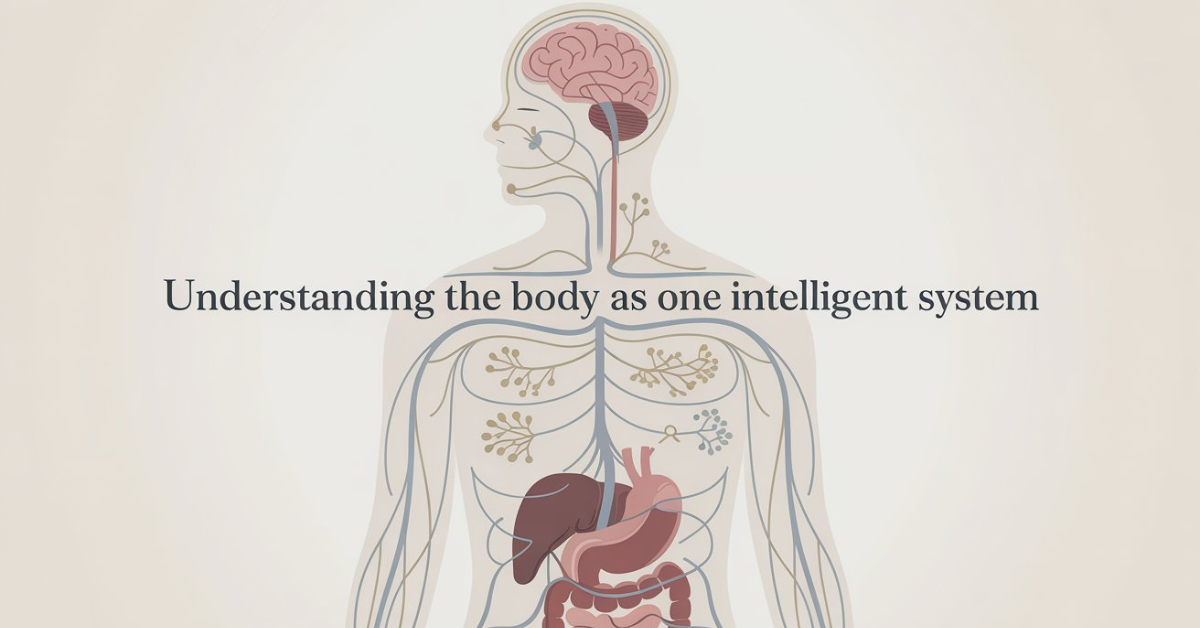
Not always. Hormonal symptoms often involve interactions between multiple systems, including the nervous system, sleep rhythms, metabolism, and immune function. A whole-system perspective may provide broader insight than looking at one hormone in isolation.
Does bioenergetic testing diagnose hormone disorders?
No. Bioenergetic testing does not diagnose disease or replace medical testing. It evaluates functional patterns such as stress response, regulatory balance, and system communication to provide educational insight into how hormones may be responding within the larger system.
When should I seek medical testing for hormonal concerns?
If you experience severe symptoms, significant cycle changes, rapid weight shifts, persistent fatigue, or suspected endocrine disorders, medical evaluation is essential. Bioenergetic testing is complementary and does not replace traditional medical care.